
The connection between skin rashes and allergies is a topic that touches many people, from those who notice a simple itchy hive after a bite to patients who develop more widespread eruptions after taking a medication. While not every skin rash signals an allergy, many rashes are indeed allergic reactions or are influenced by allergic tendencies. Understanding how allergies relate to the skin can help people recognize warning signs, seek appropriate care, and manage episodes more effectively.
What allergies are and why the skin is involved
An allergy is an overreaction of the immune system to substances that are usually harmless to most people. When the body encounters an allergen such as certain foods, pollen, insect venom, or medications the immune system may release chemicals like histamine. Histamine and other mediators can cause inflammation and a range of symptoms, including skin manifestations. The skin is the largest organ and a primary barrier between the outside world and the body’s internal environment, so it is frequently the first site where allergic reactions appear.
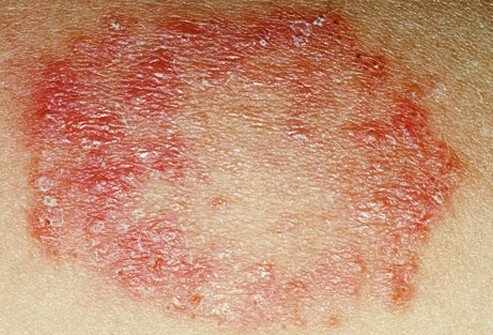
Common allergic skin reactions
Urticaria (hives): Red, raised, itchy welts that can appear anywhere on the body. Hives are typically IgE-mediated and can fluctuate in size and shape. They may be triggered by foods, drugs, insect stings, infections, or physical stimuli such as pressure or temperature changes.
Angioedema: Swelling beneath the skin, often around the eyes and lips, and sometimes the tongue or throat. When accompanied by hives, angioedema is commonly part of an allergic reaction. Severe angioedema of the airway requires immediate medical attention.
Eczema: A chronic condition that can flare with allergic triggers. It presents as dry, itchy, inflamed patches, often in the folds of the elbows, knees, or face.
Contact dermatitis: A delayed-type allergic reaction in which the skin becomes red, itchy, and blistered after touching an allergen such as certain metals (nickel), fragrances, preservatives, or plants.
Drug eruptions: Reactions to medications can range from mild rashes to severe patterns such as maculopapular rashes, urticaria, or more diffuse reactions. Some drug rashes are nonallergic but still related to how the body metabolizes a medication; others are true allergic reactions involving immune sensitization.
Drugs and the skin: a special focus on antibiotics
Medications are a common source of allergic skin reactions. Antibiotics, in particular, can trigger rashes in susceptible individuals. Common antibiotic-related skin reactions include:
Penicillin-type reactions: About 1-10% of people report some rash with penicillin, but true penicillin allergy is less common than the rate of reported allergy. Some penicillin rashes are nonallergic and due to other mechanisms.
Cephalosporins: A cautious approach is often taken because of potential cross-reactivity with penicillins. Historically, cross-reactivity was thought to be higher, but recent data suggest it is relatively low, particularly with later-generation cephalosporins. However, any new rash after starting a cephalosporin should be evaluated carefully.
Other antibiotics: Sulfonamides, anticonvulsants, and certain antibiotics can also provoke allergic or idiosyncratic skin reactions.
One specific point to address is the role of ceftriaxone, a third-generation cephalosporin often used in hospitals for serious infections. While most people tolerate ceftriaxone well, a small subset may develop an allergic reaction, including skin manifestations. If there is a history of severe drug allergy or a prior reaction to beta-lactams, clinicians may choose an alternative antibiotic. It’s important to report any previous drug allergies to your healthcare provider; this helps guide safer prescribing and reduces the risk of a repeat reaction.
Nonallergic rashes and other triggers
Not all rashes that appear after exposure to a medication or a food are allergic. Some may be:
Toxic or drug-induced eruptions that do not involve the immune system in a classic allergy.
Viral exanthems that coincide with an infection and cause a rash similar to an allergic reaction.
Irritant contact dermatitis from substances such as detergents, cosmetics, or topical antibiotics.
Physical triggers like cold, heat, pressure, or sweating that can cause hives in susceptible individuals even without a drug exposure.
Diagnosing an allergic rash
Diagnosis typically starts with a careful history and physical examination. Key questions include:
What new foods, medicines, or skin products were used before the rash appeared?
Was the rash accompanied by swelling of the face or tongue, and/or breathing difficulties?
Where on the body did the rash start, and has it spread?
Is there a known history of eczema, allergies, or previous drug reactions?
In some cases, clinicians may order tests such as
Skin prick or intradermal testing for specific suspected allergens (mainly for food, pollen, or drug allergies in select cases).
Blood tests that measure specific IgE antibodies or non-IgE mediated pathways.
In certain drug reaction scenarios, a biopsy of the skin may be performed to understand the pattern of inflammation.
Treatment principles
Identify and remove triggers: If a drug or topical product is suspected, stopping usage under medical guidance is important.
Symptomatic relief: Antihistamines can alleviate itching and hives; topical steroids may reduce inflammation for eczema or contact dermatitis.
Severe reactions: If there is facial swelling, throat tightness, severe shortness of breath, or widespread hives, seek emergency care. An epinephrine auto-injector may be prescribed for individuals at risk of anaphylaxis.
Medical and allergy follow-up: An allergy specialist or dermatologist can help determine whether a diagnosed allergy persists and whether it requires avoidance strategies or desensitization procedures in rare cases.
What to tell your doctor if you suspect an allergy-related rash
When the rash started and any pattern of recurrence.
All medications, vitamins, herbs, or supplements you are taking, including OTC products and topical agents.
Any prior reactions or known allergies, especially to medications or foods.
A description of the rash (location, appearance, swelling, itching, fever, or systemic symptoms).
The broader context: allergies, the skin, and the role of supply chains
Beyond individual patient care, there is a practical connection to healthcare supply and prescribing systems. For instance, in settings where antibiotics such as ceftriaxone are used, healthcare teams coordinate with distributors to ensure the availability of medications that are appropriate for patients’ needs.
The phrase ceftriaxone distributors might appear in communications about stock, procurement, and logistics. In medical practice, ensuring the right drug is available locally helps clinicians provide timely care when a patient presents with signs of infection, a possible drug reaction, or an urgent allergic emergency. Adequate, safe, and appropriately labeled medications support safe treatment decisions and improve outcomes for patients who may have complex allergic histories.
Practical takeaways
If you notice a new rash after starting a medication, especially with symptoms like swelling of the face or tongue or trouble breathing, seek urgent medical care.
Keep an up-to-date list of all medications you take and share it with any new clinician or emergency department.
Do not assume that all rashes are harmless. Some drug-induced reactions can progress rapidly and require prompt evaluation.
An allergy workup may help distinguish between true drug allergies and nonallergic skin reactions, guiding safer future use of medicines.
If you have a history of severe allergies, discuss a personalized plan with your clinician, including whether you should carry an epinephrine autoinjector.
In sum, skin rashes can be a visible sign of an allergic process, a nonallergic reaction, or a reaction related to an infection, irritant exposure, or genetics. Recognizing the potential link between the skin and the immune system helps people act quickly and appropriately.
When medications are involved, a careful assessment with a healthcare professional is especially important to ensure safe treatment and to minimize the risk of future reactions. If you or someone you know experiences a concerning rash, it is wise to consult a clinician who can evaluate the likelihood of an allergy, propose testing if needed, and guide management based on the individual’s medical history and current health status.






Write a comment ...