
Bacterial infections are caused by harmful bacteria invading the body, leading to symptoms ranging from mild discomfort to severe illness. While antibiotics, such as cephalexin capsules, are commonly prescribed to combat these infections, many people wonder if alternative treatments exist. The overuse of antibiotics has led to concerns about antibiotic resistance, prompting interest in non-antibiotic approaches.
This article explores whether bacterial infections can be treated without antibiotics, examining natural remedies, lifestyle changes, and medical interventions, while highlighting the role of antibiotics like cephalexin capsules when necessary.
Understanding Bacterial Infections
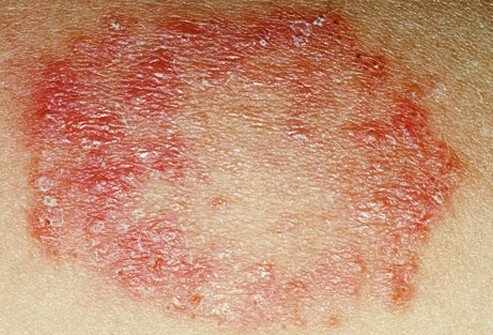
Bacteria are microscopic organisms, some of which cause infections like urinary tract infections (UTIs), strep throat, sinusitis, or skin infections. Symptoms vary depending on the infection's location and severity but may include fever, pain, swelling, or fatigue. Antibiotics, including cephalexin capsules, work by targeting bacterial cell walls or processes, killing the bacteria or stopping their growth. However, not all bacterial infections require antibiotics, and some can resolve with alternative methods, depending on the infection’s type and severity.
When Antibiotics Are Necessary
Severe or systemic bacterial infections, such as pneumonia, meningitis, or sepsis, often require antibiotics like cephalexin capsules to prevent complications or death. For example, cephalexin capsules are effective against skin infections, UTIs, and respiratory infections caused by susceptible bacteria.
Delaying antibiotic treatment in these cases can lead to worsening symptoms or the spread of infection. Additionally, individuals with compromised immune systems, such as those with diabetes or cancer, may need antibiotics to manage even mild infections effectively.
However, for less severe infections, non-antibiotic treatments may suffice, reducing the risk of side effects and antibiotic resistance. The decision to use antibiotics should be guided by a healthcare professional, who may prescribe cephalexin capsules or recommend alternative approaches based on the patient’s condition.
Non-Antibiotic Treatment Options
1. Supporting the Immune System
The body’s immune system is a powerful defense against bacterial infections. Strengthening immunity can help fight mild infections without antibiotics. Key strategies include:
Nutrition: A diet rich in fruits, vegetables, lean proteins, and whole grains provides essential nutrients like vitamin C, zinc, and antioxidants, which support immune function. For instance, foods like garlic and ginger have natural antibacterial properties.
Hydration: Drinking plenty of water helps flush bacteria from the urinary tract, aiding recovery from UTIs without the immediate need for cephalexin capsules.
Rest: Adequate sleep allows the body to repair and fight infections more effectively.
For minor infections, such as mild sinusitis or skin infections, these immune-boosting measures may reduce symptoms and promote recovery without antibiotics.
2. Natural Remedies
Certain natural substances have antibacterial properties and may help manage mild infections:
Honey: Manuka honey has been shown to inhibit bacterial growth, making it useful for wound care and sore throats. Applying honey to minor skin infections may reduce the need for cephalexin capsules.
Cranberry Juice: Cranberry juice or supplements can prevent bacteria from adhering to the bladder wall, potentially reducing UTI recurrence without antibiotics.
Essential Oils: Oils like tea tree or lavender have antimicrobial effects and may be applied topically to minor skin infections. However, they should be diluted and used cautiously to avoid irritation.
While these remedies can support recovery, they are not a replacement for antibiotics in severe cases, where cephalexin capsules may be critical.
3. Probiotics and Gut Health
Probiotics, found in yogurt, kefir, or supplements, promote a healthy balance of gut bacteria, which can enhance immune responses. For infections like bacterial vaginosis, probiotics may restore vaginal flora, reducing symptoms without antibiotics. Maintaining gut health also helps prevent secondary infections, potentially decreasing reliance on cephalexin capsules for recurrent issues.
4. Topical Treatments
For localized infections, such as minor cuts or boils, topical treatments can be effective:
Antiseptic Solutions: Cleaning wounds with saline or antiseptics like hydrogen peroxide prevents bacterial growth.
Warm Compresses: Applying heat to boils or abscesses encourages drainage, helping the body clear the infection naturally.
These methods can manage minor infections without the need for oral antibiotics like cephalexin capsules.
5. Medical Procedures
In some cases, medical interventions other than antibiotics can treat infections:
Drainage: For abscesses or deep skin infections, surgical drainage removes pus and bacteria, often eliminating the need for cephalexin capsules.
Irrigation: Flushing out bacteria from wounds or the bladder can reduce infection severity.
These procedures are typically performed by healthcare providers and may be combined with antibiotics if the infection persists.
Risks of Avoiding Antibiotics
While non-antibiotic treatments can work for mild infections, avoiding antibiotics like cephalexin capsules when they are needed can lead to serious consequences.
Untreated bacterial infections may spread to other parts of the body, causing complications like kidney infections or bloodstream infections.
Antibiotic resistance is another concern, but it stems more from misuse than from appropriate use. Always consult a doctor to weigh the risks and benefits of non-antibiotic approaches.
Preventing Bacterial Infections
The rise of antibiotics resistance highlights the importance of preventing infections, which can reduce the need for antibiotics like cephalexin capsules. Preventive measures include:
Hygiene: Regular handwashing, proper wound care, and safe food handling minimize bacterial exposure.
Vaccinations: Vaccines for diseases like pneumococcal pneumonia prevent bacterial infections.
Avoiding Contact: Limiting contact with sick individuals reduces the spread of bacteria.
By adopting these habits, individuals can lower their infection risk and support long-term health.
The Role of Antibiotics Like Cephalexin
When non-antibiotic treatments are insufficient, antibiotics remain a vital tool. Cephalexin capsules, a broad-spectrum antibiotic, are commonly prescribed for infections caused by gram-positive bacteria, such as Staphylococcus aureus or Streptococcus. They are well-tolerated, with side effects like nausea or diarrhea being uncommon. However, cephalexin capsules should only be taken under medical supervision to ensure proper dosage and to avoid resistance.
Conclusion
Bacterial infections can sometimes be treated without antibiotics, particularly for mild cases where the immune system, natural remedies, or medical procedures can manage symptoms effectively. Strategies like immune support, natural anti-bacterial, probiotics, and proper hydration can aid recovery from minor infections like UTIs or skin infections.
However, severe or persistent infections often require antibiotics like cephalexin capsules to prevent complications. Consulting a healthcare provider is crucial to determine the best approach, ensuring safe and effective treatment while minimizing the risks of antibiotics resistance. By combining preventive measures and informed treatment choices, individuals can support their health and reduce reliance on antibiotics when possible.






Write a comment ...